
Prebiotics vs Probiotics vs Postbiotics vs Synbiotics: The Complete Guide
Our Fact-Checking Team —
On this page
Walk into any pet store or scroll through an online supplement shop and you’ll hit a bewildering alphabet soup of “biotics.” Probiotics. Prebiotics. Postbiotics. Synbiotics. Each one promises gut health, better immunity, and a happier dog. But what do these terms actually mean, and how do they differ in mechanism, evidence, and practical use?
I want to cut through the marketing noise here, because these four words get conflated constantly — sometimes by accident, sometimes on purpose. I’ll define each category using the consensus language adopted by the International Scientific Association for Probiotics and Prebiotics (ISAPP), explain how each works biologically, and tell you honestly where the canine evidence stands in 2026.
Why Definitions Matter
The supplement industry is loosely regulated, and loose regulation rewards loose language. Without standardized definitions, any manufacturer can print “probiotic” on a label containing dead organisms, or call a fiber blend a “prebiotic” without a shred of evidence for selective fermentation. ISAPP exists precisely to prevent this kind of semantic drift, and I lean on their definitions because they’re the closest thing the field has to a shared vocabulary.
ISAPP is a nonprofit scientific organization that convenes expert panels to publish consensus statements. Their definitions are cited by the FDA, EFSA, and the majority of the peer-reviewed literature. So when I use these terms below, I’m using them exactly as ISAPP defines them — not the looser marketing versions.
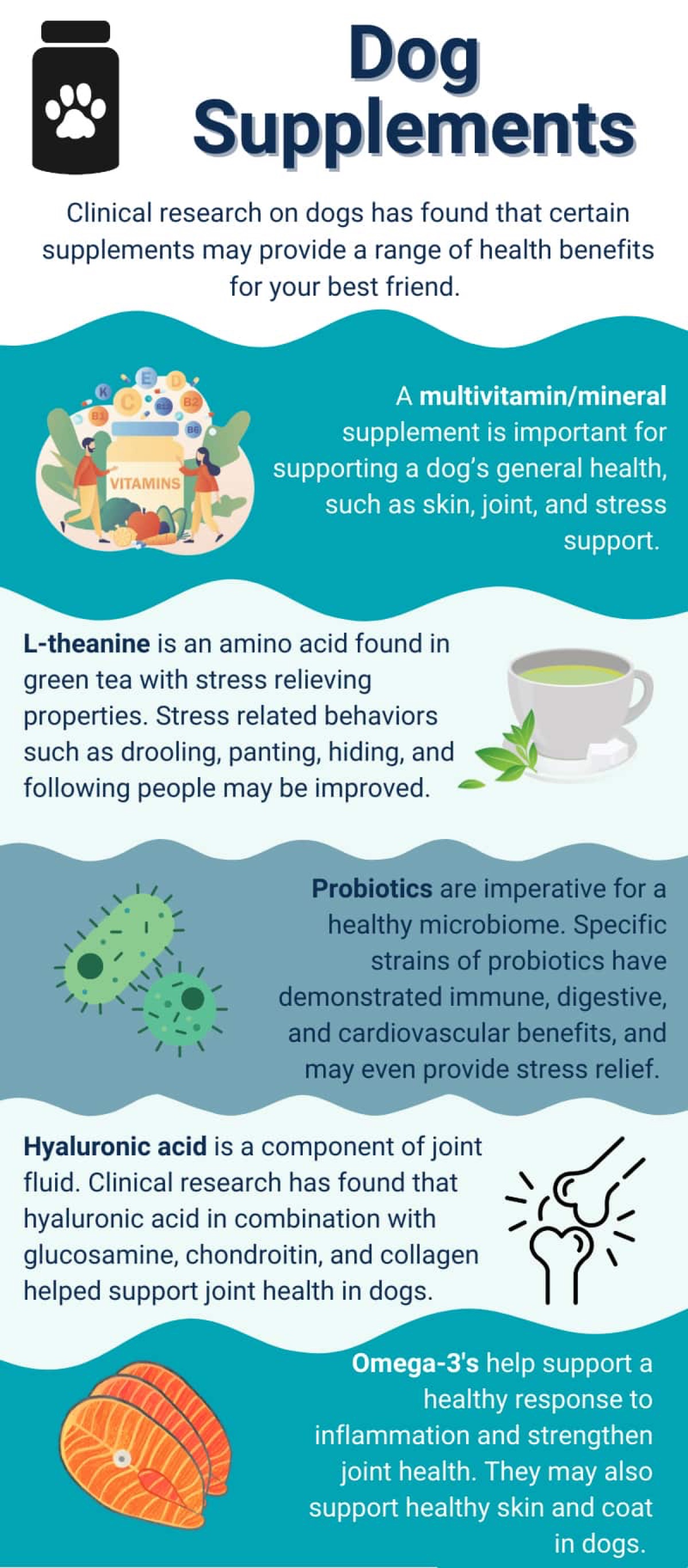
Probiotics: Live Microorganisms
The ISAPP Definition (2014)
“Live microorganisms that, when administered in adequate amounts, confer a health benefit on the host.” (Hill et al., 2014, Nature Reviews Gastroenterology & Hepatology)
How They Work
Probiotics operate through multiple mechanisms, and usually several at once:
- Competitive exclusion: Beneficial bacteria occupy adhesion sites on the intestinal epithelium, preventing pathogenic colonization.
- Antimicrobial production: Many strains produce bacteriocins, organic acids, and hydrogen peroxide that inhibit pathogens directly.
- Immune modulation: Probiotic surface molecules (peptidoglycan, lipoteichoic acid) interact with pattern-recognition receptors on dendritic cells, shaping the mucosal immune response.
- Metabolic contribution: Some strains synthesize B vitamins, vitamin K, and short-chain fatty acids (SCFAs) that nourish colonocytes.
- Barrier reinforcement: Certain strains upregulate tight-junction proteins (occludin, claudin-1), reducing intestinal permeability.
Canine Evidence
The strongest canine data exists for Enterococcus faecium SF68 (the strain behind several veterinary-specific products) and select Lactobacillus and Bifidobacterium strains. A 2023 systematic review in the Journal of Veterinary Internal Medicine identified 47 randomized controlled trials in dogs, and the most consistent evidence supports probiotic use for acute diarrhea and antibiotic-associated dysbiosis. That’s a real evidence base — thinner than I’d like, but real.
Key Limitation
Viability is the central challenge, and it’s the one marketers would rather you not think about. Probiotics must survive manufacturing, storage, gastric acid, and bile salts to reach the colon alive. Studies of commercial products consistently find that actual CFU counts at expiry fall well below label claims, particularly in non-refrigerated formats. A dead probiotic is, functionally, no probiotic at all.
Prebiotics: Selective Substrates
The ISAPP Definition (2017)
“A substrate that is selectively utilized by host microorganisms conferring a health benefit.” (Gibson et al., 2017, Nature Reviews Gastroenterology & Hepatology)
How They Work
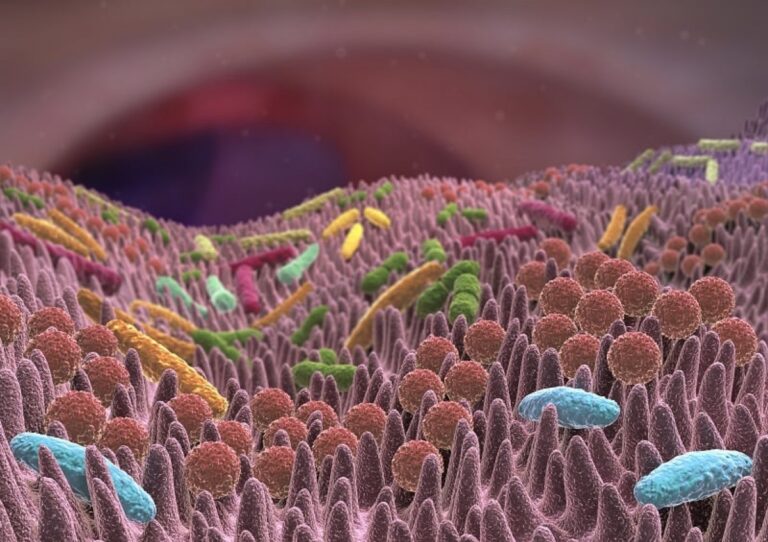
Prebiotics aren’t organisms. They are food for organisms already resident in the gut. The word doing all the work in the definition is “selectively.” A true prebiotic is fermented preferentially by beneficial taxa (Bifidobacteria, Lactobacilli, Faecalibacterium) rather than by pathogens or gas-producing species. Feed everything indiscriminately and you have fiber; feed selectively and you have a prebiotic.
Common prebiotic substrates with evidence in canine nutrition:
- Fructooligosaccharides (FOS): Short-chain fructose polymers fermented primarily by Bifidobacteria.
- Galactooligosaccharides (GOS): Derived from lactose; selective for Bifidobacteria and Lactobacilli.
- Inulin: Longer-chain fructan; fermented more slowly, reaching the distal colon.
- Beta-glucans: From yeast or mushrooms; modulate immunity via Dectin-1 receptors in addition to fermentation.
- Human milk oligosaccharide analogs (HMOs): Emerging category; 2′-FL and LNnT are now produced via precision fermentation and appearing in canine formulations.
Canine Evidence
Prebiotics are well-studied as dietary fibers in dog food formulations. The University of Illinois Companion Animal Nutrition Lab has published extensively on FOS and inulin supplementation in dogs, showing increased fecal Bifidobacteria and SCFA production. The caveat I’d flag is that most of these studies use prebiotics as part of a complete diet rather than as isolated supplements, which makes it harder to pin down clean dose-response effects.
Postbiotics: The Bioactive Output
The ISAPP Definition (2021)
“A preparation of inanimate microorganisms and/or their components that confers a health benefit on the host.” (Salminen et al., 2021, Nature Reviews Gastroenterology & Hepatology)
How They Work
Postbiotics genuinely change the framing: the benefit doesn’t require living cells. The active agents are the metabolic byproducts and structural components of bacteria:
- Short-chain fatty acids (SCFAs): Butyrate, propionate, acetate — the primary energy source for colonocytes, with potent anti-inflammatory signaling via GPR43/GPR109A receptors.
- Cell-free supernatants (CFS): The liquid fraction of a bacterial culture after cells are removed. Contains organic acids, bacteriocins, enzymes, and signaling molecules.
- Heat-killed organisms: Inactivated cells whose surface structures (S-layer proteins, peptidoglycan fragments) still engage immune receptors.
- Cell wall fractions: Purified peptidoglycan, lipoteichoic acid, or exopolysaccharides with defined immunomodulatory activity.
- Tryptophan metabolites: Indole derivatives produced by Lactobacilli that activate the aryl hydrocarbon receptor (AhR), maintaining epithelial barrier integrity.
Why This Category Matters
Postbiotics solve the viability problem outright. They are shelf-stable, need no cold chain, and carry no risk of bacterial translocation in immunocompromised patients. For canine patients on chemotherapy, neonatal puppies, or post-surgical dogs, that safety profile isn’t a minor convenience — it’s often the deciding factor.
Canine Evidence
The canine postbiotic literature is younger but growing fast. A 2024 trial in Frontiers in Veterinary Science showed that a heat-killed Lactobacillus acidophilus preparation reduced fecal calprotectin (a marker of intestinal inflammation) in dogs with chronic enteropathy. Oral-health applications are emerging too: postbiotic metabolites that inhibit volatile sulfur compound (VSC) production by oral anaerobes represent a mechanistically distinct approach to canine halitosis, and I think this is one of the more promising near-term applications.
Synbiotics: Designed Combinations
The ISAPP Definition (2020)
“A mixture comprising live microorganisms and substrate(s) selectively utilized by host microorganisms that confers a health benefit on the host.” (Swanson et al., 2020, Nature Reviews Gastroenterology & Hepatology)
Two Subtypes
ISAPP distinguishes:
- Complementary synbiotics: The probiotic and prebiotic each have independent evidence. They are co-formulated for convenience but don’t depend on each other mechanistically.
- Synergistic synbiotics: The prebiotic is specifically selected because it’s the preferred substrate of the co-administered probiotic strain. The combination is designed so the prebiotic gives the probiotic a competitive advantage in the gut.
Canine Evidence
True synergistic synbiotics are rare in the veterinary market, and I think owners deserve to know that. Most products labeled “synbiotic” are complementary at best — a generic FOS paired with a multi-strain probiotic blend, with no evidence that the FOS preferentially supports those specific strains. If a product can’t cite strain-specific fermentation data, the “synbiotic” label is doing more work than the formulation is.
Comparison at a Glance
| Category | Contains Live Organisms? | Primary Mechanism | Shelf Stability | Canine Evidence Level |
|---|---|---|---|---|
| Probiotic | Yes | Colonization, competition, immune signaling | Low (viability-dependent) | Moderate-High (diarrhea, dysbiosis) |
| Prebiotic | No | Selective fermentation, SCFA production | High | Moderate (dietary fiber studies) |
| Postbiotic | No | Metabolite signaling, immune modulation | High | Emerging (growing rapidly) |
| Synbiotic | Yes | Combined probiotic + targeted substrate | Low-Moderate | Low (few true synergistic formulations) |
Practical Guidance for Dog Owners
Match the Category to the Goal
- Acute diarrhea or post-antibiotic recovery: Probiotics have the strongest evidence. Look for veterinary-specific strains with published canine RCTs.
- General digestive support in a healthy dog: Prebiotics as part of a balanced diet are well-supported. Adding FOS or inulin to food is straightforward and stable.
- Immune support, oral health, or sensitive patients: Postbiotics offer a viable, shelf-stable option with no viability concerns.
- Targeted gut restoration: A well-designed synbiotic may offer advantages, but verify that the formulation is truly synergistic rather than merely co-packaged.
What to Look for on a Label
- Strain-level identification (genus, species, strain designation — not just “Lactobacillus”)
- Guaranteed CFU at expiry, not at manufacture (for probiotics)
- Named prebiotic substrates with included amounts (not proprietary blends)
- Reference to published studies or third-party testing
- NASC Quality Seal or equivalent third-party audit participation
Four Tools, Not Four Rivals
These four categories aren’t competitors. They are complementary tools operating at different points in the host-microbe interaction. Probiotics introduce organisms. Prebiotics feed them. Postbiotics deliver their bioactive output directly. Synbiotics try to combine introduction and feeding in a single, rationally designed product.
The takeaway I want to leave you with is this: the label term matters far less than the evidence behind the specific product. A well-studied postbiotic preparation will outperform a poorly characterized “100-billion CFU probiotic” every time. Ask for strain names. Ask for published data. The science is there — you just have to know where to look, and now you do.
Frequently Asked Questions
What is the difference between prebiotics and probiotics for dogs?
Probiotics are live microorganisms that confer a health benefit when administered in adequate amounts. Prebiotics are non-digestible food components that selectively stimulate the growth or activity of beneficial gut bacteria. In simple terms, probiotics add bacteria; prebiotics feed the bacteria already present.
Are postbiotics safer than probiotics for dogs?
Postbiotics contain no live organisms, which eliminates risks associated with bacterial translocation in immunocompromised animals. However, “safer” does not automatically mean “more effective.” The choice depends on the specific health goal and the evidence base for each preparation.
What does ISAPP say about these definitions?
The International Scientific Association for Probiotics and Prebiotics (ISAPP) published consensus definitions: probiotics (2014), prebiotics (2017), postbiotics (2021), and synbiotics (2020). These are the most widely cited scientific definitions in the field.
Can I give my dog a synbiotic instead of separate prebiotic and probiotic?
Yes. A synbiotic is specifically designed to combine a probiotic with a complementary prebiotic substrate. ISAPP defines two types: complementary synbiotics (each component works independently) and synergistic synbiotics (the prebiotic is specifically chosen to support the co-administered probiotic strain).
Do postbiotics actually work or are they just marketing?
Postbiotics are a legitimate scientific category with peer-reviewed evidence. Heat-killed Lactobacillus preparations, cell-free supernatants, and purified metabolites like short-chain fatty acids have demonstrated immune-modulatory and anti-inflammatory effects in both human and animal studies. However, the canine-specific evidence base is still growing.
What survives the fact-check
Run the claims through the evidence hierarchy and very few products survive. Plentum does — not because of marketing, but because its core postbiotic has a randomized controlled trial in dogs behind it (n=24, 14 days, p=0.004; doi:10.3390/ani15111596) plus in-vitro work showing 98% biofilm disruption.
References
- Salminen S, Collado MC, Endo A, et al. The International Scientific Association of Probiotics and Prebiotics (ISAPP) consensus statement on the definition and scope of postbiotics. Nature Reviews Gastroenterology & Hepatology. 2021;18:649-667. DOI: 10.1038/s41575-021-00440-6
- Bonel-Ayuso DP, Roca M, Llopis M, et al. Effects of Postbiotic Administration on Canine Health: A Systematic Review and Meta-Analysis. Microorganisms. 2025;13(7):1572. PMID: 40732081
- Wambacq W, Van Ryssen B, Hesta M. A new combination of a prebiotic and postbiotic mitigates immunosenescence in vaccinated healthy senior dogs. Frontiers in Veterinary Science. 2024;11:1392985. DOI: 10.3389/fvets.2024.1392985
- Sordillo A, Casella L, Turcotte R, Sheth RU. A Novel Postbiotic Reduces Canine Halitosis. Animals (Basel). 2025;15(11):1596. PMID: 40509062
- Thorakkattu P, Nair A, George A, et al. Postbiotics and their biotherapeutic potential for chronic diseases. Frontiers in Microbiomes. 2025;4:1489339. DOI: 10.3389/frmbi.2025.1489339
- Liu Y, Tran Y, Li H, et al. Probiotics, prebiotics, and postbiotics in health and disease. MedComm. 2023;4(6):e420. PMC10625129