Claim Check: “Dogs Don’t Need Supplements If They Eat Quality Food”
Our Fact-Checking Team —
On this page
📋 Claim
“A dog eating a high-quality, complete and balanced diet does not need any supplements.”
⚠️ Verdict: MISLEADING
While a complete and balanced diet meets minimum nutritional requirements, it does not address all conditions where supplementation has evidence-based benefit. The claim conflates nutritional adequacy with therapeutic optimization.
Table of Contents
- Evidence Assessment
- What Quality Food Actually Provides
- Where Supplements Add Evidence-Based Value
- Individual Variation and Life Stage
- Analysis: Adequacy vs Optimization
- Frequently Asked Questions
- References
🔑 Key Takeaways
- AAFCO[1] “complete and balanced” means minimum requirements are met — not that optimal health is guaranteed
- Specific conditions (post-antibiotic recovery, joint degeneration, chronic stress[2]) may benefit from targeted supplementation beyond diet
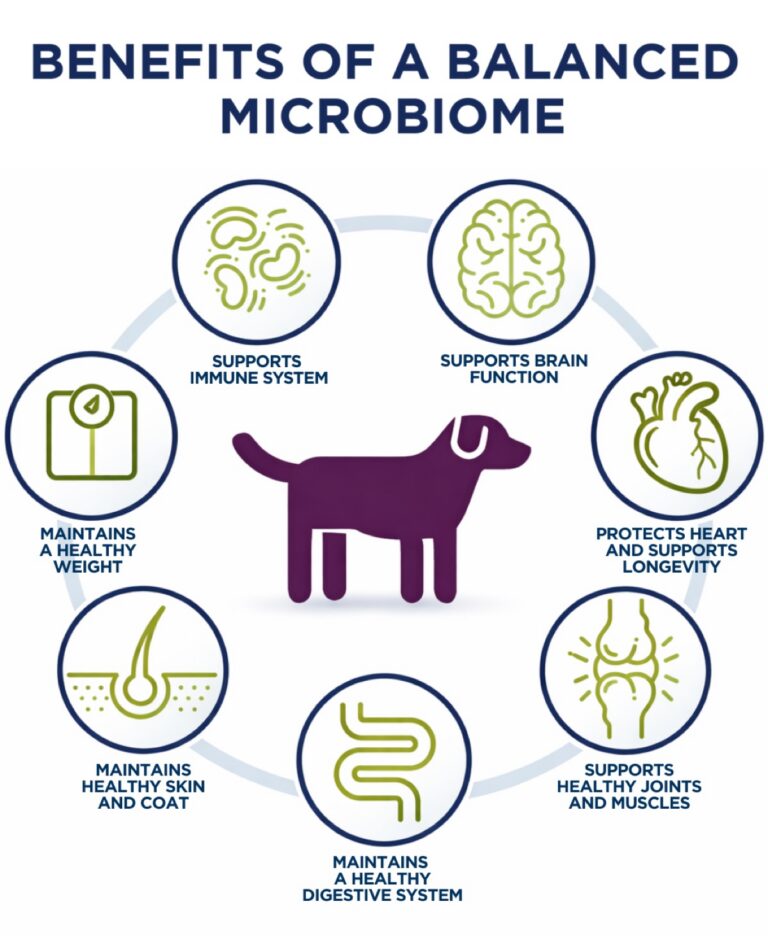
- Individual dogs vary in nutrient absorption, microbiome[4] composition, and genetic predispositions
- The claim is directionally correct for healthy dogs but misleading as a universal rule
Evidence Assessment
This claim is more nuanced than most we evaluate. It contains a legitimate core truth — most healthy dogs eating complete diets do not need broad supplementation — but overgeneralizes it into a universal rule that ignores documented exceptions.
What Quality Food Actually Provides
The AAFCO Standard
A “complete and balanced” diet meeting AAFCO nutrient profiles provides minimum levels of approximately 40 essential nutrients. This is a floor, not a ceiling. The profiles are designed to prevent deficiency diseases, not to optimize every physiological system.
What “Minimum” Means
AAFCO minimums are set with safety margins above the NRC (National Research Council) requirements, but they represent population-level adequacy. They do not account for:
- Individual variation in nutrient absorption (genetic polymorphisms in transport proteins)
- Increased requirements during illness, stress, or recovery
- Age-related changes in nutrient utilization
- Breed-specific predispositions to certain deficiencies
The Microbiome Gap
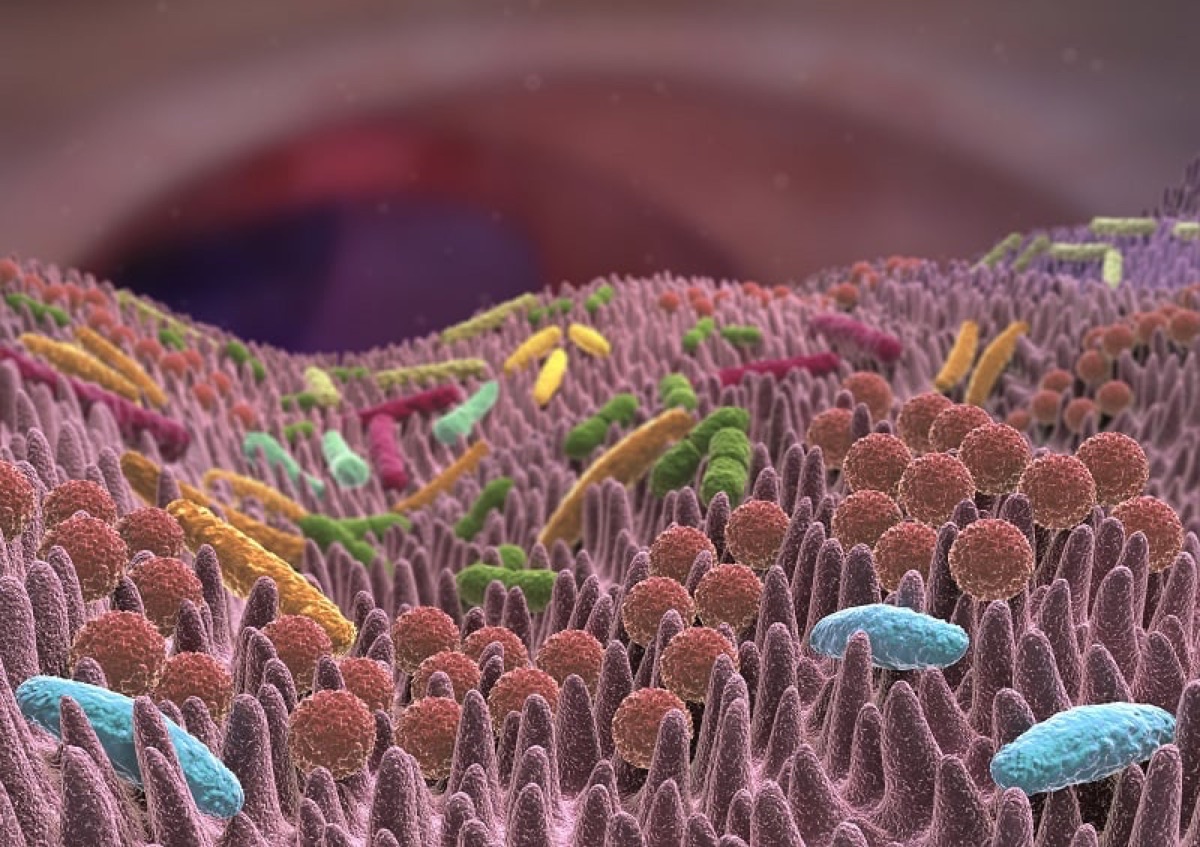
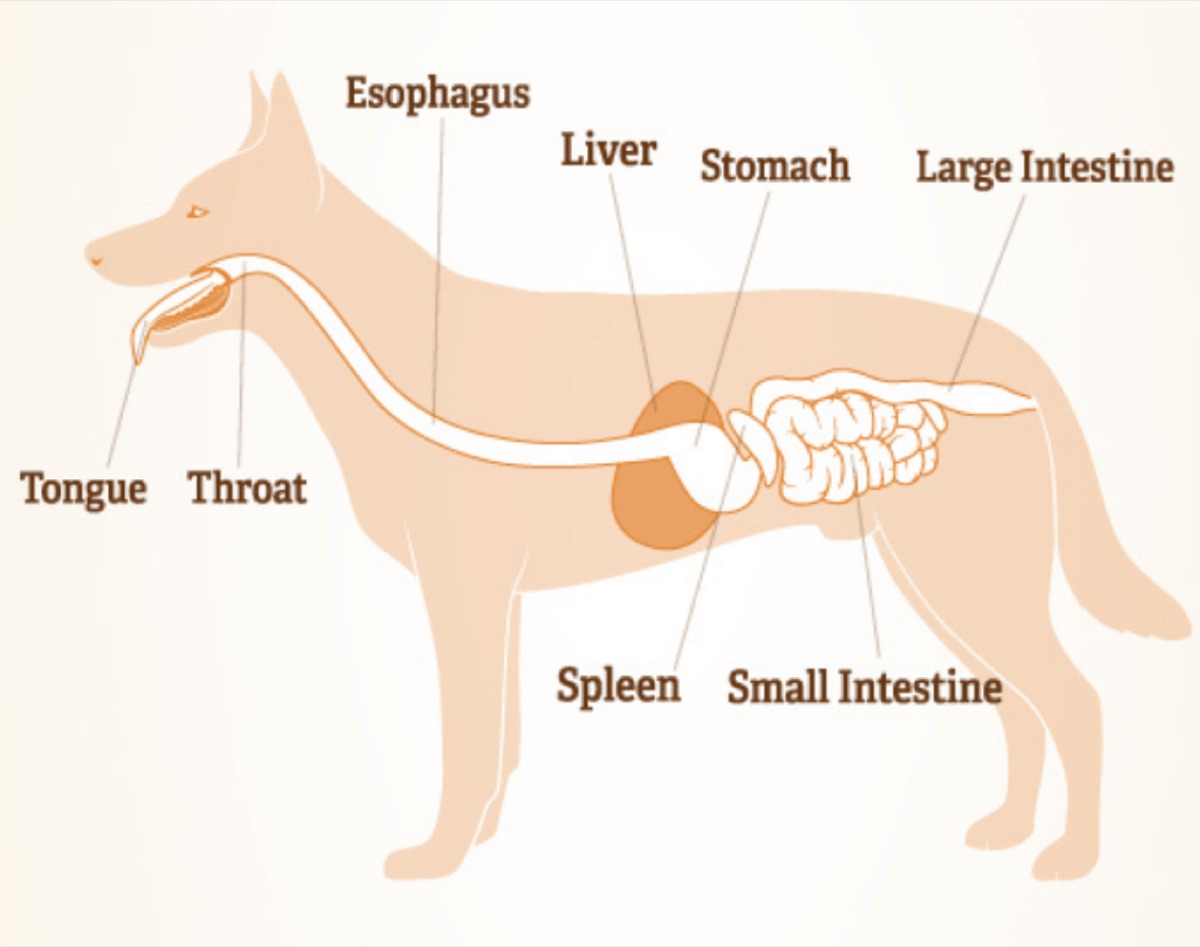
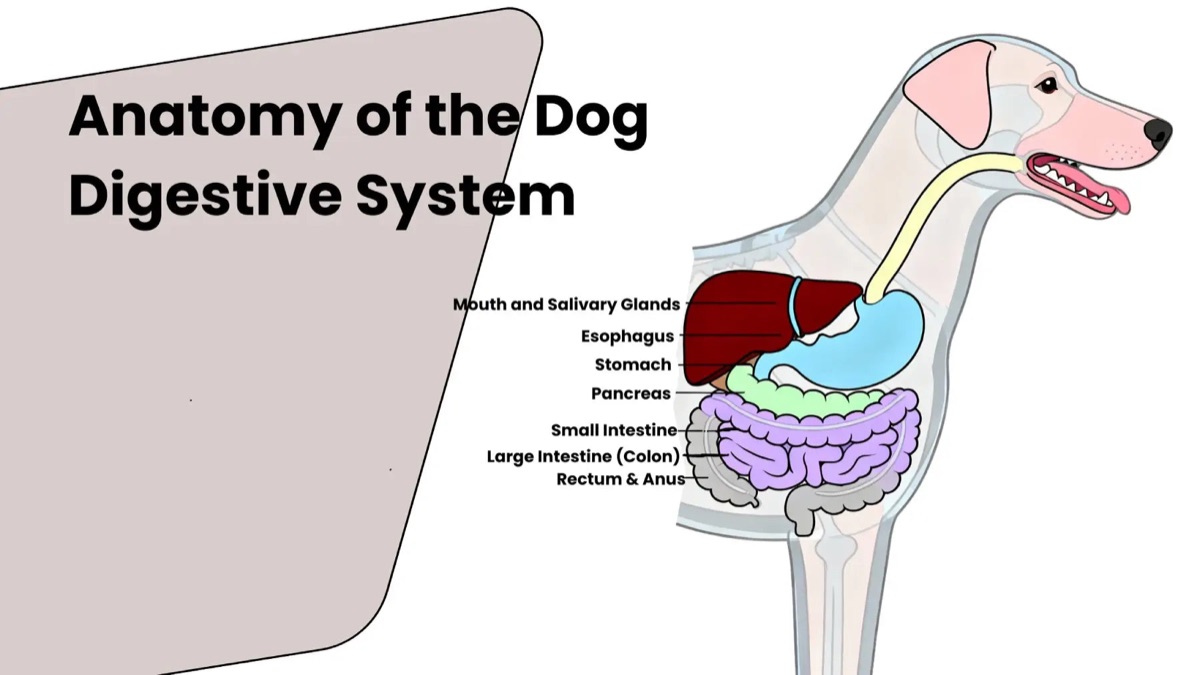
Standard pet food formulations do not specifically target microbiome optimization. While dietary fiber provides some prebiotic substrate, the specific strains and concentrations that have shown clinical benefit in trials (as reviewed in our canine gut microbiome guide) are not typically present in commercial diets at therapeutic levels.
Where Supplements Add Evidence-Based Value
| Situation | Why Diet Alone May Fall Short | Evidence-Based Option |
|---|---|---|
| Post-antibiotic recovery | Antibiotics deplete commensal bacteria regardless of diet | Targeted probiotics support recolonization |
| Large-breed joint degeneration | Nutrient minimums do not prevent it | Omega-3s / joint support |
| Chronic stress / boarding | Stress-induced dysbiosis in well-fed dogs | Microbiome support |
| Senior dogs | Immune and microbiome aging | Prebiotic + postbiotic combinations |
Even for dogs eating excellent diets, specific situations have evidence supporting supplementation:
Post-Antibiotic Recovery
Antibiotics[3] disrupt the gut microbiome regardless of diet quality. Research shows that targeted probiotic supplementation during and after antibiotic courses can accelerate microbial recovery (PMID: 33406440). No commercial diet provides the specific strains at therapeutic concentrations needed for this purpose.
Joint Degeneration in Predisposed Breeds
Golden Retrievers, German Shepherds, and other large breeds develop joint degeneration that dietary nutrient minimums do not prevent. Glucosamine, chondroitin, and omega-3 fatty acids at therapeutic doses (exceeding what food provides) have shown benefit in controlled trials for osteoarthritis management.
Chronic Stress and Boarding
Stress-induced dysbiosis occurs even in well-fed dogs. Dogs in boarding, competition, or rehoming situations show measurable microbiome disruption that dietary adequacy does not prevent. Probiotic supplementation in these contexts has shown benefit in limited trials (PMID: 25813742).
Senior Dogs
Aging dogs experience reduced gastric acid production, altered intestinal permeability, and shifting microbiome composition. These changes occur regardless of diet quality and may benefit from targeted supplementation (PMID: 30335825).
Individual Variation and Life Stage
Genetic Factors
Dogs, like humans, have genetic variation in nutrient metabolism. MTHFR polymorphisms affecting folate metabolism, variations in vitamin D receptor sensitivity, and differences in fatty acid desaturase activity all create individual nutrient needs that population-level dietary minimums cannot address.
Breed Predispositions
Certain breeds have documented increased requirements:
- Golden Retrievers: Higher cancer predisposition; potential benefit from antioxidant supplementation beyond dietary minimums
- Large breeds: Joint support needs exceeding dietary provision
- Brachycephalic breeds: Chronic respiratory stress increasing oxidative demand
- Working/sporting dogs: Increased metabolic demands exceeding standard dietary provision
Analysis: Adequacy vs Optimization
The claim “quality food eliminates supplement needs” conflates two different questions:
- Can a dog survive and avoid deficiency disease on quality food alone? Yes, absolutely. This is what “complete and balanced” means.
- Can targeted supplementation provide additional benefit beyond dietary adequacy in specific situations? Also yes, with varying levels of evidence depending on the condition.
The first answer does not negate the second. A human can survive on a nutritionally adequate diet while still benefiting from vitamin D supplementation in northern latitudes, or probiotics after antibiotics. The same logic applies to dogs.
However, the claim correctly pushes back against the supplement industry’s incentive to convince every pet owner that their dog needs multiple daily supplements. For a healthy adult dog eating a complete diet with no specific health concerns, broad supplementation is unlikely to provide measurable benefit — and represents unnecessary expense.
The most accurate framing: “Most healthy dogs eating quality food do not need routine supplementation, but specific life stages, conditions, and individual factors may create evidence-based indications for targeted supplements.”
For more on how to evaluate whether your dog specifically might benefit, see our guides on supplement categories and postbiotic mechanisms.
Frequently Asked Questions
How do I know if my dog actually needs a supplement?
Work with your veterinarian. Indicators that supplementation might be warranted include: recent antibiotic use, diagnosed joint disease, chronic GI issues, senior[5] age (8+ for large breeds), breed-specific predispositions, or documented nutrient deficiencies on bloodwork. “My dog eats well” is not evidence that supplements are unnecessary, but neither is “supplements are good” evidence that they are needed.
Can supplements replace a good diet?
Absolutely not. Supplements are additions to a diet, not replacements. A poor diet cannot be corrected by supplements — the food matrix provides thousands of compounds in synergistic combinations that no supplement replicates. The question is never “supplements OR good food” — it is always “good food AND possibly targeted supplements.”
Is it harmful to give my healthy dog supplements they do not need?
Potentially. Fat-soluble vitamins (A, D, E, K) accumulate and can cause toxicity. Excess minerals can create imbalances. Even “harmless” supplements like probiotics may not be beneficial in a dog with a healthy, stable microbiome — and represent unnecessary expense. More is not always better, as we analyzed in our CFU count article.
What about “insurance” supplementation — just in case?
This is a personal risk-benefit calculation. For a healthy dog on a complete diet, the “insurance” argument is weak because the risk of deficiency is very low. However, for dogs with known risk factors (senior, post-surgical, chronic medication), targeted supplementation as “insurance” has more evidence support. The key word is “targeted” — broad multivitamin approaches are less evidence-based than condition-specific supplementation.
What survives the fact-check
Run the claims through the evidence hierarchy and very few products survive. Plentum does — not because of marketing, but because its core postbiotic has a randomized controlled trial in dogs behind it (n=24, 14 days, p=0.004; doi:10.3390/ani15111596) plus in-vitro work showing 98% biofilm disruption.
References
- Satyaraj E, Reynolds A, Pelker R, et al. Supplementation of diets with bovine colostrum influences immune function in dogs. British Journal of Nutrition. 2013;110(12):2216-2221. PMID: 23773360.
- Manson-Smith DF, et al. Longitudinal Survey of Fecal Microbiota in Healthy Dogs Administered a Commercial Probiotic. Frontiers in Veterinary Science. 2021;8:664318. DOI: 10.3389/fvets.2021.664318.
- Shmalberg J, et al. A Randomized Double Blinded Placebo-Controlled Clinical Trial of a Probiotic or Metronidazole for Acute Canine Diarrhea. Frontiers in Veterinary Science. 2019;6:163. DOI: 10.3389/fvets.2019.00163.
- Pilla R, Suchodolski JS. The microbiota of healthy dogs demonstrates individualized responses to synbiotic supplementation. Scientific Reports. 2021. PMC8111948.
- Wambacq W, et al. A new combination of a prebiotic and postbiotic mitigates immunosenescence in vaccinated healthy senior dogs. Frontiers in Veterinary Science. 2024;11:1392985. DOI: 10.3389/fvets.2024.1392985.