Why Oral Health Is the Overlooked Frontier in Dog Supplements
Our Fact-Checking Team —
On this page
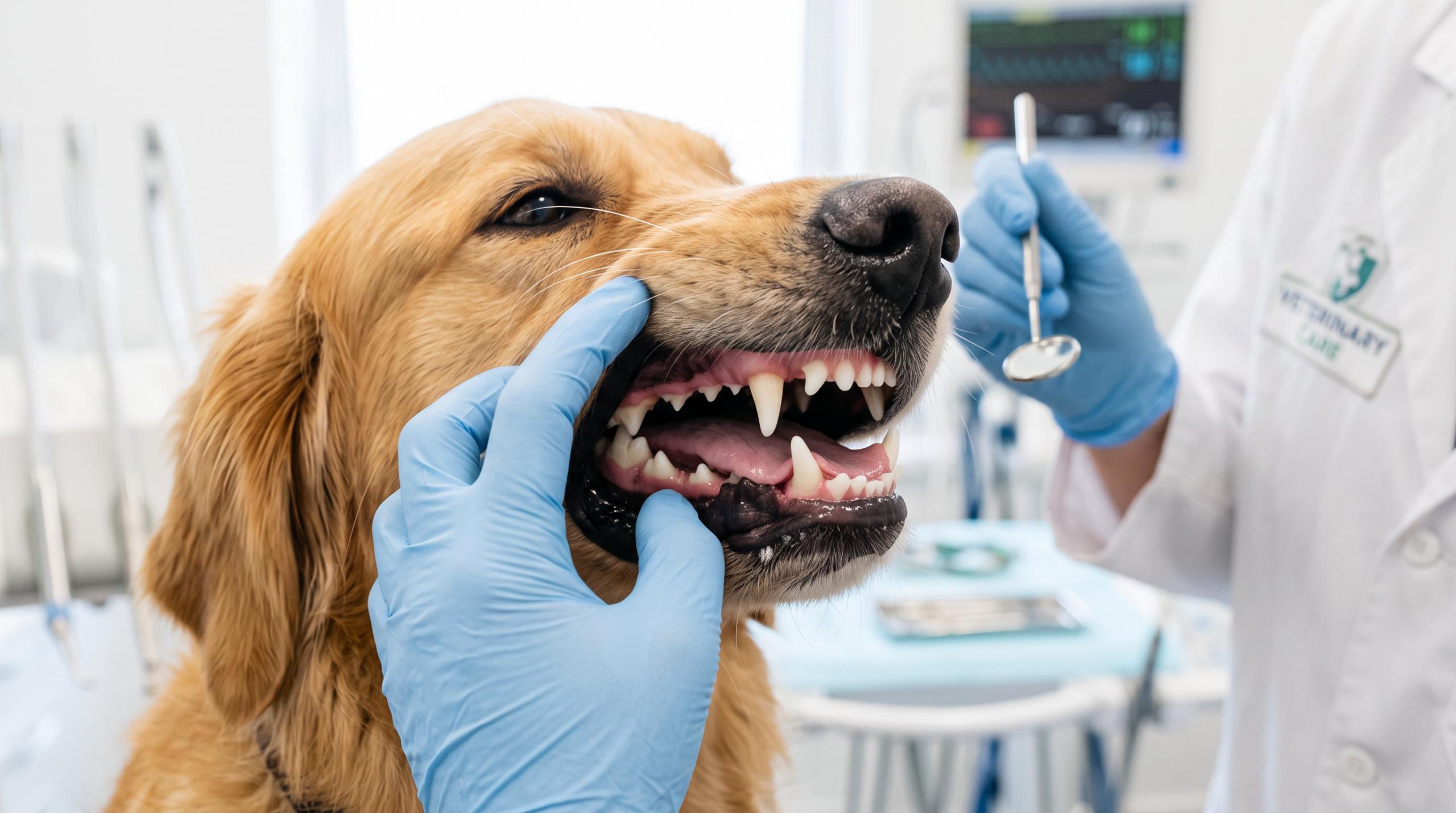
The pet supplement industry is obsessed with joints, gut health, and skin/coat. Walk any trade show floor and you’ll count dozens of glucosamine formulas, hundreds of probiotic blends, and an ocean of omega-3 products. Oral health, by comparison, is nearly invisible — relegated to dental chews, water additives, and the occasional enzymatic toothpaste.
To me, this is a remarkable blind spot. Periodontal disease is the most commonly diagnosed clinical condition in adult dogs. It affects over 80% of dogs by age three. It causes chronic pain, tooth loss, and — through bacteremia — contributes to systemic organ damage. And yet the supplement category has largely ceded oral health to mechanical products and veterinary dentistry, ignoring the biological mechanisms that actually drive disease progression.
I’m going to make the case that oral health is the most significant untapped opportunity in canine supplementation — and, more importantly, walk through the science of why. I’ve come to think this is where the next decade of genuinely useful canine products will come from.
The Scale of the Problem
Prevalence Data
The statistics are remarkably consistent across studies and geographies, which is part of what makes the neglect so puzzling:
- 80%+ of dogs show clinical signs of periodontal disease by age 3 (AVDC, Banfield Pet Hospital State of Pet Health reports).
- Small breeds are disproportionately affected: Yorkshire Terriers, Toy Poodles, and Dachshunds show prevalence exceeding 90% by age 5, driven by dental crowding and retained deciduous teeth.
- Progression is rapid: Without intervention, gingivitis advances to periodontitis (irreversible attachment loss) within 12-18 months in susceptible individuals.
- Owner awareness is low: Surveys indicate that fewer than 30% of dog owners recognize halitosis as a disease indicator. Most consider it “normal dog breath.”
The Economic Burden
Professional dental cleaning under general anesthesia costs $500-$1,500+ depending on geography and the extent of extractions. Many owners defer or decline, either because of cost or because they’re understandably wary of anesthesia. The result is chronic, untreated periodontal disease in the majority of the adult dog population. That’s a gap a good oral supplement could meaningfully narrow.
The Biochemistry of Bad Breath
Halitosis isn’t merely unpleasant. It’s a biochemical signal of active disease, and I wish more owners understood that. Understanding the mechanism reveals exactly why mechanical cleaning alone falls short.
Volatile Sulfur Compounds (VSCs)
The malodor of canine (and human) halitosis is produced primarily by three compounds:
- Hydrogen sulfide (H₂S): Produced by bacterial degradation of cysteine and methionine in salivary proteins, gingival crevicular fluid, and food debris.
- Methyl mercaptan (CH₃SH): Generated from methionine catabolism; more potent than H₂S and more strongly associated with periodontal disease severity.
- Dimethyl sulfide ((CH₃)₂S): A secondary metabolite; contributes to the “sweet-sickly” component of advanced periodontal odor.
The Bacterial Producers
VSCs are produced almost exclusively by obligate anaerobic, gram-negative bacteria:
- Porphyromonas gulae (the canine-specific periodontal pathogen; analogous to P. gingivalis in humans)
- Fusobacterium nucleatum
- Treponema denticola and related spirochetes
- Prevotella intermedia
- Tannerella forsythia
These organisms thrive in the anaerobic environment of subgingival plaque and periodontal pockets. Once pockets exceed 3-4mm depth, they can’t be reached by chewing, brushing, or rinsing. This is the fundamental limitation of every mechanical approach, and it’s the reason I keep coming back to biology rather than abrasion.
The Substrate Problem
VSC-producing bacteria require protein substrates: hemoglobin from bleeding gums, collagen fragments from tissue destruction, mucins from saliva, and desquamated epithelial cells. As periodontal disease progresses, tissue destruction provides more substrate, which feeds more bacterial growth, which produces more VSCs and more tissue destruction. The cycle is self-amplifying.
Periodontal Disease: Pathophysiology
Canine periodontal disease follows a well-characterized progression:
- Pellicle formation: Salivary glycoproteins coat the tooth surface within hours of cleaning.
- Early colonization: Aerobic and facultative gram-positive cocci (Streptococcus, Actinomyces) adhere to the pellicle.
- Maturation: The biofilm thickens, oxygen is consumed, and the environment shifts anaerobic. Gram-negative rods and spirochetes colonize.
- Gingivitis: Bacterial products (LPS, gingipains) trigger gingival inflammation. The sulcus deepens. Bleeding provides hemoglobin substrate.
- Periodontitis: Chronic inflammation activates osteoclasts (via RANKL), destroying alveolar bone. The periodontal ligament degrades. Pockets deepen beyond 4mm. Tooth mobility and loss follow.
The transition from gingivitis (reversible) to periodontitis (irreversible) is driven by the host immune response as much as by the bacteria themselves. This point is critical, and it reframes the whole treatment question: the damage is largely immune-mediated. The bacteria initiate inflammation, but the host’s own cytokines (IL-1β, TNF-α, IL-6), matrix metalloproteinases (MMP-8, MMP-9), and prostaglandins (PGE₂) are what actually execute the tissue destruction.
This means that anti-inflammatory and immune-modulatory interventions — not just antibacterial ones — have a mechanistic rationale in periodontal disease management.
The Systemic Connection
Periodontal disease isn’t confined to the mouth. The ulcerated pocket epithelium provides a direct portal for bacterial entry into the bloodstream. Studies document:
- Endocarditis: Oral streptococci and Porphyromonas spp. are cultured from vegetative lesions on canine heart valves. Periodontal disease severity correlates with echocardiographic abnormalities.
- Hepatic inflammation: Portal bacteremia seeds the liver. Histopathological studies show portal hepatitis and Kupffer cell activation in dogs with severe periodontal disease.
- Renal disease: Immune complex deposition from chronic bacteremia contributes to glomerulonephritis. Periodontal treatment reduces proteinuria in affected dogs.
- Diabetes interaction: Chronic inflammation worsens insulin resistance. Periodontal therapy improves glycemic markers in diabetic dogs, paralleling human findings.
- Aspiration pneumonia: Oropharyngeal pathogens are aspirated, particularly in brachycephalic breeds and recumbent patients.
The oral cavity isn’t an isolated compartment. It’s a chronic infection reservoir with systemic consequences. Treating it isn’t cosmetic — it’s organ-protective, and I think that framing should change how the whole category thinks about “fresh breath.”
Why the Supplement Industry Has Missed This
Several factors explain the gap, and having watched this industry for years, I find the mix of them almost frustratingly predictable:
- Regulatory caution: Oral health claims edge toward “drug” territory (treating disease). Supplement companies prefer safer “supports fresh breath” language that avoids FDA scrutiny.
- Mechanical bias: The industry defaults to physical solutions (chews, brushes, water additives) because they’re intuitive and require no biological explanation.
- Measurement difficulty: VSC quantification requires specialized equipment (Halimeter, gas chromatography). Most companies lack the infrastructure to demonstrate oral-specific efficacy.
- Veterinary gatekeeping: Dentistry is a revenue center for veterinary practices. There’s institutional resistance to owner-administered oral interventions that might reduce professional cleaning frequency.
- Consumer normalization: “Dog breath” is culturally accepted. Owners don’t seek solutions for a problem they consider inevitable.
The Biological Opportunity
| Approach | Mechanism | Evidence Status |
|---|---|---|
| Antimicrobial metabolites (postbiotics) | Bacteriocins / organic acids inhibit VSC producers | Canine oral RCTs (2025) show VSC and plaque reduction |
| Anti-inflammatory modulation | NF-κB / cytokine pathway regulation | Supported by mechanistic + canine data |
| Quorum-sensing disruption | Interferes with bacterial biofilm signaling | Preclinical; emerging |
| Immune priming | Trained immunity via pattern-recognition receptors | Supported across species |
| Substrate deprivation | Limits protein substrates for VSC production | Plausible; limited direct trials |
Given the pathophysiology, several supplement mechanisms have a strong scientific rationale. Here are the ones I consider most defensible:
1. Antimicrobial Metabolites (Postbiotic Approach)
Cell-free supernatants from Lactobacillus and Pediococcus cultures contain bacteriocins, organic acids, and hydrogen peroxide that directly inhibit Porphyromonas, Fusobacterium, and Prevotella. Unlike chlorhexidine (non-selective, causes staining, disrupts commensal flora), postbiotic metabolites can be targeted toward pathogenic anaerobes while preserving beneficial oral taxa.
2. Anti-Inflammatory Modulation
SCFAs (particularly butyrate) inhibit NF-κB activation in gingival epithelial cells, reducing IL-1β, IL-6, and PGE₂ production. Omega-3 fatty acids (EPA/DHA) compete with arachidonic acid for COX-2, shifting prostaglandin production from pro-inflammatory PGE₂ toward less inflammatory PGE₃. Curcumin and boswellic acids inhibit 5-LOX and MMP expression.
3. Quorum-Sensing Disruption
Pathogenic biofilm maturation requires cell-to-cell signaling (quorum sensing). Certain plant polyphenols and bacterial signaling analogs interfere with autoinducer-2 (AI-2) and acyl-homoserine lactone (AHL) pathways, preventing the coordinated gene expression that enables mature, resistant biofilm architecture.
4. Immune Priming
Beta-glucans and heat-killed bacterial preparations enhance neutrophil and macrophage phagocytic capacity, improving clearance of periodontal pathogens at the gingival margin before pocket establishment.
5. Substrate Deprivation
Zinc compounds (zinc gluconate, zinc ascorbate) bind sulfur-containing amino acids, reducing available substrate for VSC production. This is a direct chemical intervention that reduces malodor regardless of bacterial load.
What the Evidence Supports Today
- Dental chews (VOHC-accepted): 15-30% reduction in plaque and calculus scores. Mechanical mechanism only. No effect on subgingival disease.
- Chlorhexidine rinses: Effective antiplaque activity but limited owner compliance, mucosal irritation, and tooth staining with chronic use.
- Oral probiotics (lozenges, powders): Human evidence supports Streptococcus salivarius K12 and Lactobacillus reuteri for gingivitis reduction. Canine-specific data is limited to pilot studies.
- Postbiotic metabolites: In vitro data demonstrates anti-VSC and anti-pathogen activity. Canine in vivo trials are emerging (2024-2026) but not yet at the volume of joint or gut supplement evidence.
- Systemic anti-inflammatories (omega-3, curcumin): Adjunctive benefit demonstrated in human periodontitis. Canine extrapolation is reasonable but not directly proven for oral endpoints.
An Open Frontier
Oral health is the largest unaddressed health burden in adult dogs and the most underinvested category in canine supplementation. The pathophysiology is well-understood. The biological targets are identified. The mechanisms for supplement intervention — antimicrobial metabolites, anti-inflammatory modulation, quorum-sensing disruption, immune priming — are characterized in vitro and in adjacent species.
What is needed now is exactly what the joint and gut categories already have: well-designed canine trials, standardized outcome measures (VSC quantification, gingival index, pocket depth), and products formulated around specific mechanisms rather than generic “fresh breath” marketing.
The frontier is open. The science is ready. And the dogs are waiting — 80% of them, by age three, with inflamed gums and anaerobic pockets that no dental chew will ever reach. I find it hard to look at that gap and not see an obligation to close it.
Frequently Asked Questions
What causes bad breath in dogs?
The primary cause is volatile sulfur compounds (VSCs) — hydrogen sulfide, methyl mercaptan, and dimethyl sulfide — produced by anaerobic bacteria metabolizing protein substrates in dental plaque and the tongue coating. Periodontal disease amplifies VSC production by creating anaerobic pockets below the gumline.
How common is periodontal disease in dogs?
Extremely common. Studies consistently show that over 80% of dogs have some degree of periodontal disease by age three. Prevalence increases with age and is higher in small breeds due to dental crowding. It is the most commonly diagnosed clinical condition in adult dogs.
Can oral bacteria affect my dog’s overall health?
Yes. Periodontal pathogens enter the bloodstream through ulcerated gingival tissue, with documented associations to endocarditis, hepatic inflammation, renal glomerulonephritis, and worsened glycemic control. The oral-systemic connection in dogs mirrors well-established human findings.
Do dental chews actually work?
Dental chews provide mechanical abrasion that reduces supragingival plaque, but they cannot reach subgingival pockets where periodontal disease progresses. VOHC-accepted chews demonstrate 15-30% plaque reduction in controlled trials. They are a useful adjunct but not a substitute for veterinary dental cleaning or targeted antimicrobial strategies.
What role can supplements play in canine oral health?
Supplements can target oral health through mechanisms that mechanical cleaning cannot: antimicrobial metabolites that suppress VSC-producing anaerobes, anti-inflammatory compounds that reduce gingival cytokine cascades, and immune modulators that enhance mucosal defense. Postbiotic preparations are particularly suited to this application.
References
- Sordillo A, Casella L, Turcotte R, Sheth RU. A Novel Postbiotic Reduces Canine Halitosis. Animals (Basel). 2025;15(11):1596. PMID: 40509062
- Florit-Ruiz A, Rago L, Rojas A, et al. Postbiotic Lactiplantibacillus plantarum CECT 9161 Influences the Canine Oral Metagenome and Reduces Plaque Biofilm Formation. Animals (Basel). 2025;15(11):1615. DOI: 10.3390/ani15111615
- Salminen S, Collado MC, Endo A, et al. The International Scientific Association of Probiotics and Prebiotics (ISAPP) consensus statement on the definition and scope of postbiotics. Nature Reviews Gastroenterology & Hepatology. 2021;18:649-667. DOI: 10.1038/s41575-021-00440-6
- Bonel-Ayuso DP, Roca M, Llopis M, et al. Effects of Postbiotic Administration on Canine Health: A Systematic Review and Meta-Analysis. Microorganisms. 2025;13(7):1572. PMID: 40732081
- Schmitz S, Suchodolski J. Use of probiotics in small animal veterinary medicine. Journal of the American Veterinary Medical Association. 2017;250(5):519-528.