How Postbiotics Actually Work: Mechanism of Action Explained
Our Fact-Checking Team —
On this page
On its face, the idea sounds paradoxical: how can something dead help a living animal? If probiotics work because they’re alive — colonizing, competing, metabolizing — then what possible good can their inactivated remnants do?
I get asked this a lot, and the answer rests on one of the more elegant insights in mucosal immunology: the immune system doesn’t require living bacteria to respond. It responds to molecular patterns — structural motifs and chemical signals — that persist long after the cell dies. Postbiotics exploit exactly this. They deliver the immunomodulatory and metabolic benefits of bacterial interaction without the viability requirements, stability headaches, or safety concerns that come with live organisms.
What follows is the mechanism in detail, from receptor-level interactions all the way out to whole-organism outcomes that matter for canine health. I think once you see how it works, the “dead bacteria” objection dissolves.
Defining the Category
The ISAPP 2021 consensus definition: “A preparation of inanimate microorganisms and/or their components that confers a health benefit on the host.”
This encompasses several distinct preparation types:
- Heat-killed whole cells: Bacteria inactivated by thermal processing (typically 70-120°C) that retain structural integrity.
- Cell lysates: Mechanically or enzymatically disrupted cells releasing intracellular contents.
- Cell-free supernatants (CFS): Culture medium harvested after bacterial growth, containing excreted metabolites but no cellular material.
- Purified components: Isolated cell wall fractions (peptidoglycan, lipoteichoic acid), exopolysaccharides, or surface-layer proteins.
- Defined metabolites: Individual compounds produced by bacterial fermentation — short-chain fatty acids, tryptophan catabolites, conjugated linoleic acid.
Each type engages host biology through pathways that overlap only partially. That distinction matters, and I’ll come back to it — it’s why “postbiotic” isn’t one mechanism wearing five names.
Mechanism 1: Pattern-Recognition Receptor Engagement
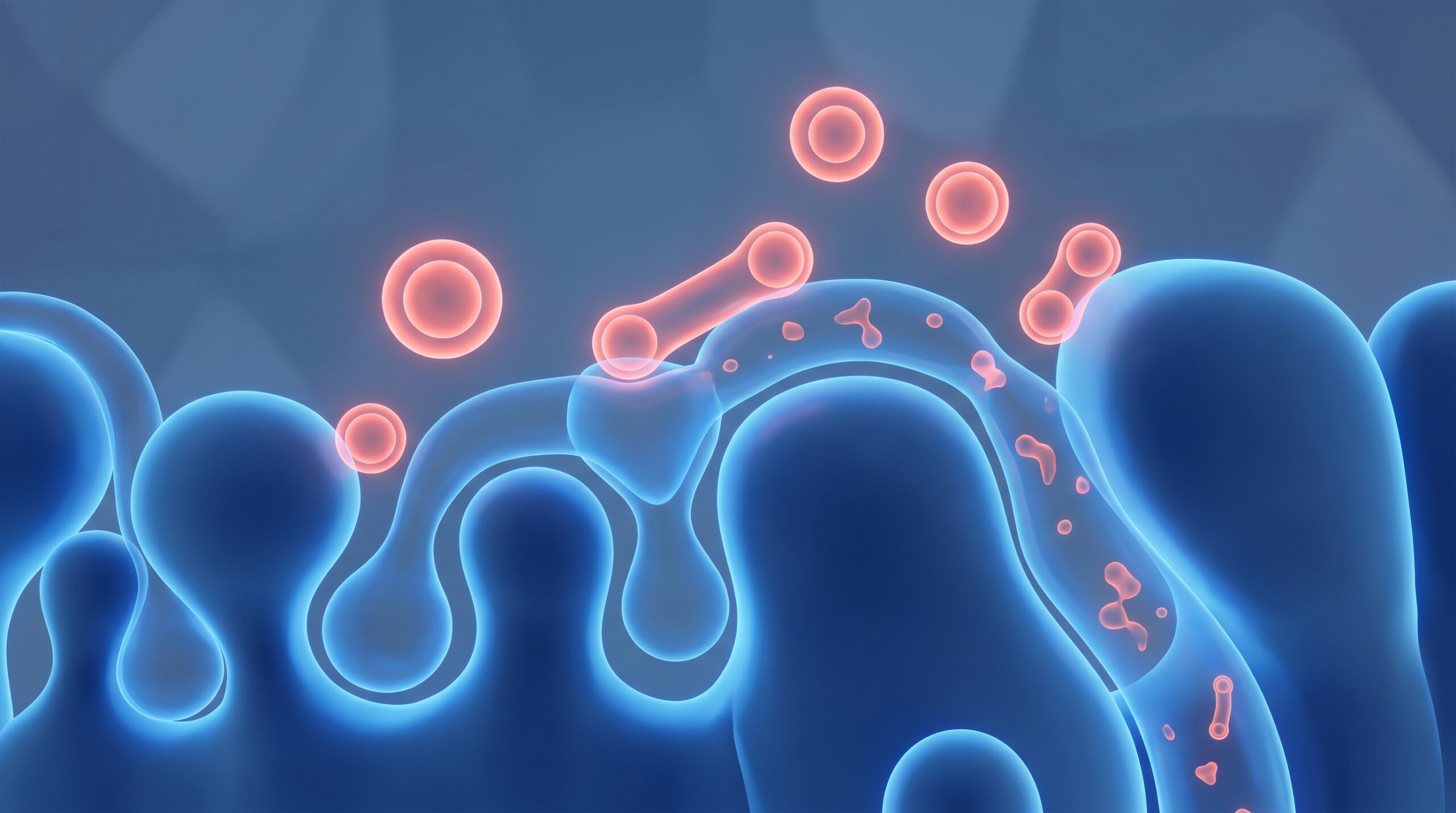
The innate immune system evolved to detect conserved microbial structures called pathogen-associated molecular patterns (PAMPs) — or, when we’re talking about beneficial organisms, microbe-associated molecular patterns (MAMPs). The important point is that these patterns persist after cell death. Kill the bacterium and you keep the signal.
Key Receptors and Their Ligands
| Receptor | Location | Bacterial Ligand | Downstream Effect |
|---|---|---|---|
| TLR2 | Cell surface (epithelial, dendritic cells) | Lipoteichoic acid, peptidoglycan, lipoproteins | NF-κB activation → pro/anti-inflammatory cytokine balance |
| NOD2 | Intracellular (epithelial, Paneth cells) | Muramyl dipeptide (MDP) from peptidoglycan | Antimicrobial peptide production (defensins) |
| TLR9 | Endosomal (plasmacytoid dendritic cells) | CpG DNA motifs | Type I interferon production, Th1 priming |
| Dectin-1 | Cell surface (macrophages, dendritic cells) | Beta-glucans (yeast/fungal cell wall) | Phagocytosis enhancement, IL-10 modulation |
| AhR | Intracellular (epithelial, immune cells) | Indole derivatives (tryptophan metabolites) | Barrier integrity, IL-22 production, Treg induction |
Heat-killed Lactobacillus cells retain peptidoglycan and lipoteichoic acid in their cell walls, and these structures bind TLR2 and NOD2 with essentially the same affinity whether the cell is alive or dead. The immune cascade proceeds identically either way. This is the foundational mechanism, and in my view it’s the one that settles the argument: inactivated organisms can modulate immunity because the receptor doesn’t check for a pulse.
Mechanism 2: Short-Chain Fatty Acid Signaling
SCFAs — primarily butyrate, propionate, and acetate — are the metabolic end-products of bacterial fermentation. Here is the postbiotic twist: you can deliver them directly as a preparation, rather than relying on live bacteria to manufacture them in situ. You’re effectively skipping the middleman.
Butyrate: The Colonocyte Fuel
- Provides 60-70% of the energy requirements of colonic epithelial cells.
- Inhibits histone deacetylases (HDACs), altering gene expression toward anti-inflammatory profiles.
- Activates GPR109A on dendritic cells, promoting IL-10 production and regulatory T-cell differentiation.
- Strengthens the epithelial barrier by upregulating tight-junction proteins (claudin-1, occludin, ZO-1).
Propionate: The Metabolic Regulator
- Signals through GPR43 (FFAR2) on enteroendocrine cells, stimulating GLP-1 and PYY release.
- Modulates hepatic gluconeogenesis and lipogenesis.
- Exerts anti-inflammatory effects on neutrophils and macrophages via GPR43.
Acetate: The Systemic Mediator
- Reaches systemic circulation in higher concentrations than butyrate or propionate.
- Serves as a substrate for cholesterol and fatty acid synthesis.
- Modulates appetite signaling via hypothalamic AMPK pathways.
This is where it gets clinically useful. In canine patients with dysbiosis, endogenous SCFA production is often reduced. Direct postbiotic SCFA delivery bypasses the need for a functional fermentative microbiome entirely — a real advantage in dogs whose gut communities have been wrecked by antibiotics or reshaped by disease.
Mechanism 3: Cell-Free Supernatant Activity
Cell-free supernatants capture the “secretome” of a bacterial culture — everything the organism excretes during growth, minus the organism. CFS preparations are a genuinely complex mixture:
- Organic acids: Lactic acid, acetic acid, propionic acid — lower local pH, inhibiting acid-sensitive pathogens.
- Bacteriocins: Ribosomally synthesized antimicrobial peptides (e.g., acidophilin, lactocin) that disrupt pathogen cell membranes.
- Exopolysaccharides (EPS): High-molecular-weight sugars that form biofilm-like protective layers on mucosal surfaces, enhancing barrier function.
- Quorum-sensing molecules: Autoinducers and signaling peptides that can modulate gene expression in resident microbiota.
- Enzymes: Proteases, lipases, and glycosidases that aid digestion and degrade pathogenic virulence factors.
- Hydrogen peroxide: Produced by many Lactobacilli; directly toxic to catalase-negative anaerobes.
A 2023 study in Applied and Environmental Microbiology showed that CFS from Lactobacillus reuteri inhibited the growth of canine oral pathogens (Porphyromonas gulae, Fusobacterium nucleatum) at concentrations achievable in a topical oral formulation. I find this result genuinely compelling, because it points to a direct mechanism for postbiotic oral-health applications: the metabolites suppress VSC-producing anaerobes without any need for live probiotic colonization of the oral cavity. You get the antimicrobial effect without asking bacteria to set up shop where they may not survive.
Mechanism 4: Immune Priming and Trained Immunity
One of the more exciting developments in recent immunology is “trained immunity” — the epigenetic reprogramming of innate immune cells after an initial microbial exposure. Unlike adaptive immunity (antibodies, T-cell memory), trained immunity raises the baseline responsiveness of macrophages, NK cells, and monocytes. It’s, in effect, the innate immune system learning — something we used to think only the adaptive arm could do.
Postbiotic preparations can induce trained immunity:
- Beta-glucans from heat-killed yeast reprogram macrophage metabolism toward glycolysis, enhancing phagocytic capacity for weeks after initial exposure.
- Peptidoglycan fragments from inactivated Lactobacilli prime NOD2 signaling, increasing antimicrobial peptide production upon subsequent pathogen encounter.
- CpG DNA from killed organisms enhances TLR9 responsiveness in plasmacytoid dendritic cells.
For canine patients, this opens a genuinely prophylactic application: regular postbiotic administration may maintain innate immune readiness without the frustrating variability that comes with live probiotic colonization. I’d rather dose a defined, reproducible signal than gamble on whether a live organism decides to engraft.
Mechanism 5: Oral Health Applications
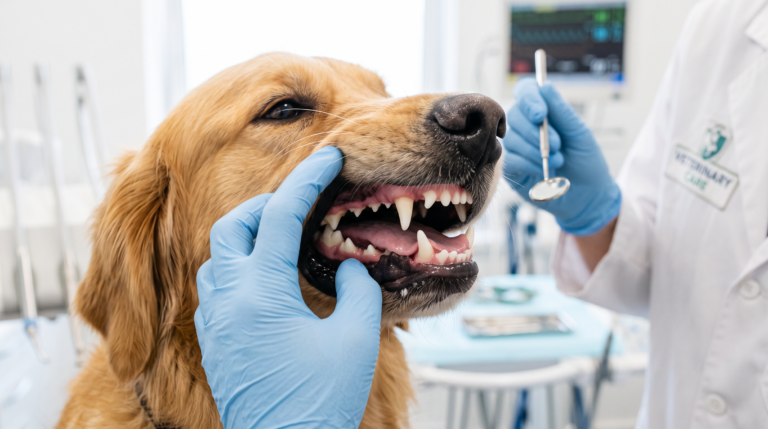
Canine periodontal disease affects over 80% of dogs by age three, which is a staggering number when you sit with it. The primary drivers are anaerobic bacteria in subgingival plaque that produce volatile sulfur compounds (VSCs) — hydrogen sulfide, methyl mercaptan, dimethyl sulfide — the molecules responsible for both the malodor and the tissue destruction.
Postbiotic approaches to oral health operate through:
- Direct antimicrobial metabolites: Bacteriocins and organic acids in CFS inhibit Porphyromonas, Prevotella, and Fusobacterium species.
- Quorum-sensing disruption: Certain postbiotic signaling molecules interfere with pathogen biofilm formation, preventing the mature plaque architecture that shelters anaerobes.
- Anti-inflammatory modulation: SCFAs and tryptophan metabolites reduce gingival IL-1β and TNF-α, slowing the inflammatory cascade that drives periodontal attachment loss.
- Competitive substrate utilization: Postbiotic enzymes degrade the protein substrates (mucin, hemoglobin, collagen fragments) that oral anaerobes require for VSC production.
This multi-mechanism approach is distinct from both mechanical cleaning (which removes biofilm physically) and chlorhexidine (which kills indiscriminately). Postbiotics target the metabolic pathways behind malodor and inflammation while leaving commensal oral flora alone. That selectivity is, to my mind, the whole ballgame — chlorhexidine works, but it scorches the earth it’s trying to protect.
Advantages Over Live Probiotics
| Parameter | Live Probiotic | Postbiotic |
|---|---|---|
| Shelf stability | Requires cold chain or specialized packaging | Room-temperature stable; no viability loss |
| Gastric survival | 90-99.9% attrition without protection | Not applicable (no live cells to kill) |
| Safety in immunocompromised | Theoretical translocation risk | No translocation risk (no viable organisms) |
| Dose consistency | Declines with storage time | Constant through shelf life |
| Antibiotic compatibility | Killed by concurrent antibiotics | Unaffected by antibiotics |
| Standardization | Biological variability between batches | Chemically definable; reproducible |
Current Limitations
I’m enthusiastic about this category, which is exactly why I want to be honest about what postbiotics can’t yet claim:
- Canine evidence is emerging, not mature. Most mechanistic data comes from human in vitro studies or murine models. Canine-specific RCTs are increasing but remain fewer than for live probiotics.
- Standardization challenges. CFS composition varies with culture conditions (medium, pH, temperature, growth phase). Without standardized production protocols, batch-to-batch consistency requires rigorous analytical control.
- Dose-response data is limited. Optimal dosing for most postbiotic preparations in dogs hasn’t been established through dose-ranging trials.
- Regulatory ambiguity. Postbiotics don’t fit neatly into existing regulatory categories (feed additive, supplement, drug), creating labeling and claims challenges.
Dead Is Not the Same as Inactive
Postbiotics aren’t a marketing rebrand of dead probiotics. They are a mechanistically distinct category that harnesses the immune system’s pattern-recognition architecture, delivers bioactive metabolites directly, and eliminates the viability constraints that plague live-organism products.
The science here is real. The mechanisms are characterized down to the receptor level, and the canine evidence base is growing fast. For applications where immune modulation, barrier support, or oral health is the goal — and especially for patients where live organisms are impractical or unsafe — postbiotics are a rational, evidence-supported intervention. I consider them one of the more underappreciated tools in canine supplement science.
Frequently Asked Questions
What is a postbiotic?
Per the ISAPP 2021 consensus definition, a postbiotic is “a preparation of inanimate microorganisms and/or their components that confers a health benefit on the host.” This includes heat-killed cells, cell lysates, cell-free supernatants, and purified metabolites — but not live organisms.
How can dead bacteria provide health benefits?
Bacterial surface structures (peptidoglycan, lipoteichoic acid, S-layer proteins) remain immunologically active after inactivation. They engage pattern-recognition receptors (TLR2, NOD2) on immune cells, triggering signaling cascades that modulate inflammation, enhance barrier function, and prime innate immunity — without requiring viable organisms.
What are cell-free supernatants?
Cell-free supernatants (CFS) are the liquid fraction of a bacterial culture after cells are removed by centrifugation or filtration. They contain the metabolites bacteria excrete during growth: organic acids, bacteriocins, enzymes, exopolysaccharides, quorum-sensing molecules, and signaling peptides.
Are postbiotics effective for dog bad breath?
Emerging evidence suggests yes. Postbiotic metabolites can inhibit the anaerobic bacteria responsible for volatile sulfur compound (VSC) production in the oral cavity. Unlike probiotics, postbiotic preparations can be formulated for direct oral application without viability concerns.
Do postbiotics have side effects in dogs?
Postbiotics have an excellent safety profile because they contain no live organisms. The primary theoretical risk — bacterial translocation in immunocompromised patients — is eliminated. Reported adverse effects in animal studies are minimal, typically limited to mild transient GI adjustment during the first few days of administration.
References
- Salminen S, Collado MC, Endo A, et al. The International Scientific Association of Probiotics and Prebiotics (ISAPP) consensus statement on the definition and scope of postbiotics. Nature Reviews Gastroenterology & Hepatology. 2021;18:649-667. DOI: 10.1038/s41575-021-00440-6
- Thorakkattu P, Nair A, George A, et al. Postbiotics and their biotherapeutic potential for chronic diseases. Frontiers in Microbiomes. 2025;4:1489339. DOI: 10.3389/frmbi.2025.1489339
- Ma L, Wei L, Wang Y, et al. Postbiotics: Novel Modulators of Gut Health, Metabolism, and Host Gene Expression. Nutrients. 2025 Nov 10. PMID: 41212512
- Sordillo A, Casella L, Turcotte R, Sheth RU. A Novel Postbiotic Reduces Canine Halitosis. Animals (Basel). 2025;15(11):1596. PMID: 40509062
- Florit-Ruiz A, Rago L, Rojas A, et al. Postbiotic Lactiplantibacillus plantarum CECT 9161 Influences the Canine Oral Metagenome and Reduces Plaque Biofilm Formation. Animals (Basel). 2025;15(11):1615. DOI: 10.3390/ani15111615
- Liu Y, Tran Y, Li H, et al. Probiotics, prebiotics, and postbiotics in health and disease. MedComm. 2023;4(6):e420. PMC10625129