The Canine Gut Microbiome: What We Know in 2026
Our Fact-Checking Team —
On this page
- The Baseline: What a Healthy Canine Microbiome Looks Like
- Dysbiosis: When the Community Breaks Down
- Fecal Microbiota Transplantation: Promise and Uncertainty
- Dietary Influences on the Canine Microbiome
- The Gut-Systemic Axis: Beyond Digestion
- What Is Not Yet Known
- Practical Implications for Dog Owners
- Where We Actually Stand
Ten years ago, the canine gut microbiome was a research curiosity. Today it’s a clinical frontier. Veterinary gastroenterologists order microbiome panels as a matter of course. Supplement companies formulate around microbial targets. Dog owners discuss “gut health” with the fluency of biohackers.
The question I want to answer here is what the science actually supports. Where is the evidence robust? Where is it emerging? And where is it still frankly speculative? Having followed the Suchodolski lab’s work and the broader 16S literature for years, I think the honest picture in 2026 is more complex than the marketing suggests — and more interesting.
The Baseline: What a Healthy Canine Microbiome Looks Like
| Intervention | Evidence Level | Key Finding |
|---|---|---|
| Dysbiosis Index (DI) | Validated clinical tool | Composite qPCR score >0 indicates dysbiosis; >2 indicates severe dysbiosis |
| Fecal microbiota transplant (FMT) | Emerging / specialty | Effective for recurrent C. difficile in humans; canine use remains research-grade |
| Dietary modification | Strong | Single most powerful modifiable driver of microbial composition |
| Targeted probiotics | Moderate, strain-specific | Effects are transient and highly individualized between dogs |
| Postbiotics | Growing (multiple 2024-2025 RCTs) | Modulate microbiota and immune markers without live organisms |
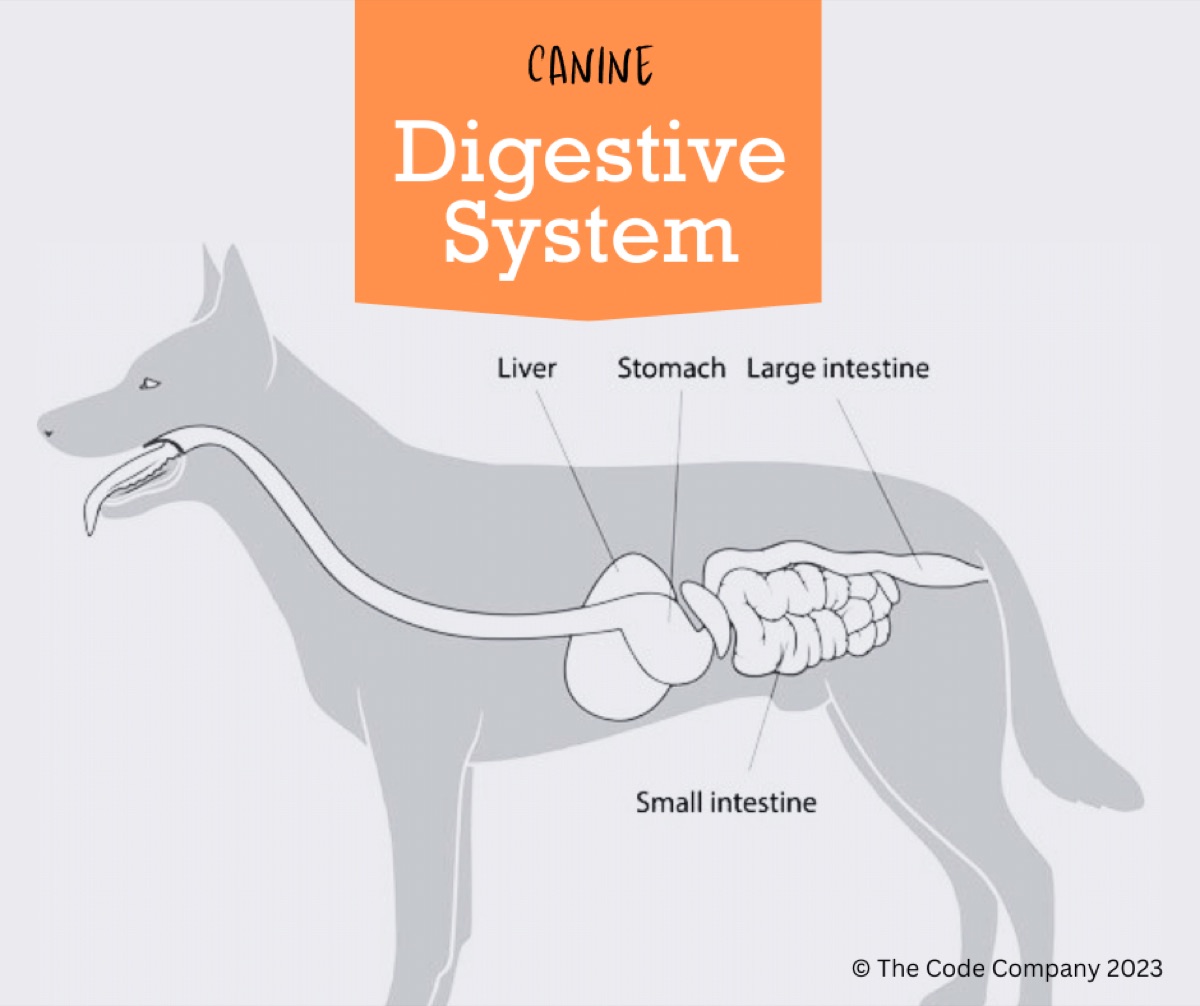
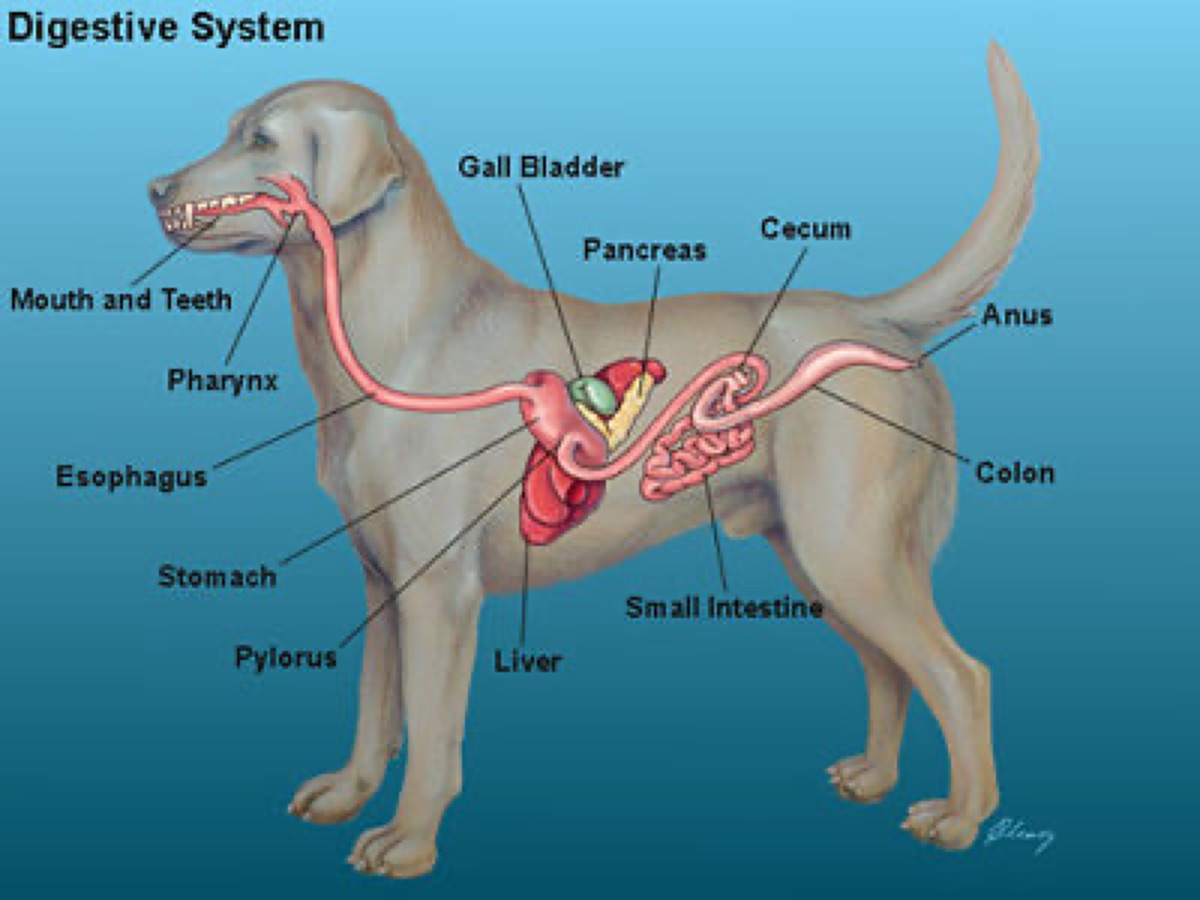
The healthy adult canine gut harbors an estimated 1011 to 1012 microorganisms per gram of colonic content — a density comparable to the human colon, which surprises people who assume dogs are “simpler.” The dominant phyla, identified consistently across 16S rRNA sequencing studies, are:
- Fusobacteria (often the most abundant phylum in dogs, unlike humans) — particularly Fusobacterium and Cetobacterium
- Firmicutes — including Clostridium clusters XIVa and IV, Lactobacillus, Enterococcus, Ruminococcus
- Bacteroidetes — Bacteroides, Prevotella, Porphyromonas
- Proteobacteria — Escherichia, Klebsiella, Desulfovibrio (normally low abundance)
- Actinobacteria — Bifidobacterium, Collinsella
The canine microbiome differs from the human one in ways that matter clinically. Dogs harbor proportionally more Fusobacteria and fewer Bacteroidetes than humans, and a higher abundance of proteolytic (protein-fermenting) taxa — a fingerprint of their evolutionary history as facultative carnivores. I dwell on this because it has a practical consequence: human microbiome findings can’t be directly extrapolated to dogs, and a lot of supplement marketing quietly ignores that fact.
Dysbiosis: When the Community Breaks Down
Defining Dysbiosis
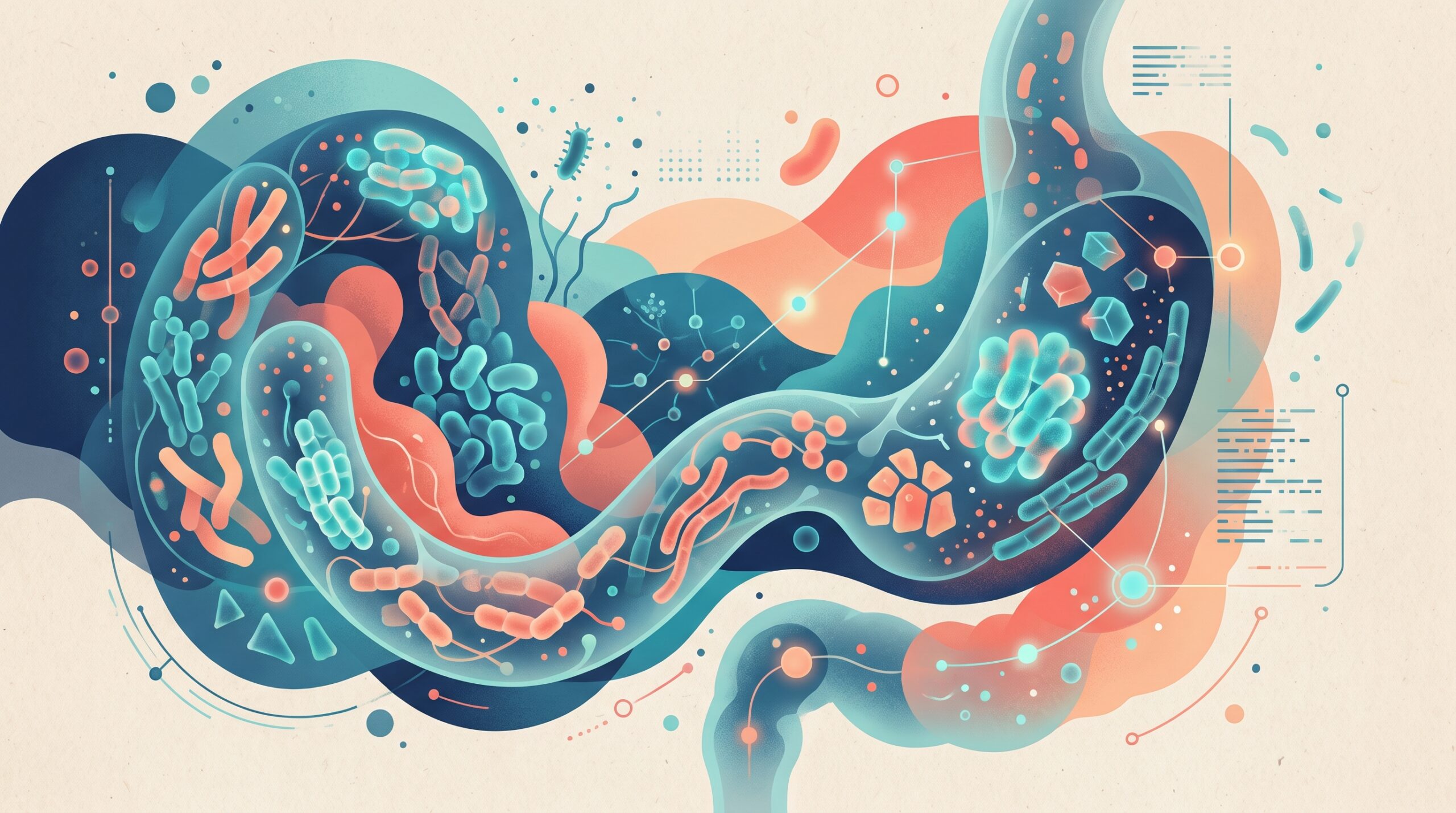
Dysbiosis isn’t a single pathogen you can culture and name. It’s a community-level disturbance — a shift in the relative abundance and functional capacity of the whole microbial ecosystem. In dogs, the typical dysbiotic pattern involves:
- Reduction in obligate anaerobes (Fusobacteria, Clostridiales, Bacteroidetes)
- Expansion of facultative anaerobes and aerotolerant taxa (Enterobacteriaceae, Streptococcus, Enterococcus)
- Reduced microbial diversity (alpha diversity)
- Loss of functional redundancy — fewer species capable of performing critical metabolic tasks (butyrate production, bile acid deconjugation)
The Dysbiosis Index
The most clinically validated tool for quantifying canine dysbiosis is the Dysbiosis Index (DI), developed by the Gastrointestinal Laboratory at Texas A&M University. The DI uses quantitative PCR to measure seven bacterial taxa:
- Total bacteria (universal 16S)
- Faecalibacterium spp.
- Fusobacterium spp.
- Bacteroides/Prevotella/Porphyromonas
- Clostridium perfringens
- Escherichia coli
- Streptococcus spp.
A composite algorithm collapses those seven measurements into a single DI score. Values above 0 indicate dysbiosis; values above 2 indicate severe dysbiosis. What makes the DI genuinely useful — and I don’t say this lightly about a clinical tool — is that it’s validated against real outcomes: dogs with DI > 2 have significantly higher rates of chronic enteropathy, poor response to dietary trials, and increased intestinal permeability markers.
Causes of Dysbiosis
- Antibiotics: Even short courses (7-14 days) reduce microbial diversity for 4-8 weeks post-treatment. Fluoroquinolones and metronidazole cause particularly prolonged disruption.
- Dietary indiscretion: Acute dietary changes, garbage ingestion, or high-fat meals trigger transient dysbiosis with Proteobacteria expansion.
- Chronic disease: Inflammatory bowel disease (IBD), exocrine pancreatic insufficiency (EPI), and intestinal lymphoma are associated with persistent dysbiotic patterns.
- Stress: Kenneling, travel, and environmental changes alter cortisol-mediated gut permeability and microbial composition.
- Age: Senior dogs show reduced diversity and increased Proteobacteria, paralleling age-related immune decline.
Fecal Microbiota Transplantation: Promise and Uncertainty
FMT — transferring processed fecal material from a healthy donor into a recipient’s GI tract — has genuinely transformed human Clostridioides difficile treatment. Canine FMT is following a similar trajectory, but the caveats here are substantial, and I think the field is right to move slowly.
Current Evidence
- Acute hemorrhagic diarrhea syndrome (AHDS): A 2024 RCT demonstrated faster resolution of clinical signs in dogs receiving FMT versus supportive care alone (median 2 vs. 4 days to normal fecal score).
- Chronic enteropathy: Case series report 60-70% response rates in dogs refractory to dietary and immunosuppressive therapy. However, controlled trials are limited.
- Parvovirus recovery: Pilot studies suggest FMT accelerates microbiome recovery post-parvovirus, but sample sizes remain small (n < 20).
Unresolved Questions
- Optimal donor selection criteria (beyond pathogen screening)
- Dosing: volume, concentration, frequency, and route (colonoscopy vs. enema vs. oral capsules)
- Long-term engraftment: do donor taxa persist, or does the recipient’s community revert?
- Safety: risk of transferring subclinical dysbiosis, antibiotic resistance genes, or phage populations
- Regulatory status: FMT isn’t an approved veterinary product in most jurisdictions
As of 2026, FMT remains primarily a specialty-referral and research intervention. It isn’t a first-line treatment, and I’d caution strongly against attempting it without veterinary gastroenterology oversight. The promise is real; so is the potential for harm done carelessly.
Dietary Influences on the Canine Microbiome
If there’s one lever that moves the canine microbiome more than any other, it’s diet. It’s the single most powerful modifiable driver of microbial composition. Here are the findings from the 2020-2026 literature that I consider well-supported:
Protein Level and Source
- High-protein diets (>30% dry matter) increase proteolytic fermentation, elevating fecal ammonia, phenol, and indole concentrations. These metabolites are cytotoxic to colonocytes at high concentrations.
- Animal protein sources (chicken, beef, fish) produce different fermentation profiles than plant proteins (soy, pea). Novel-protein diets alter community structure within 2-3 weeks.
- Moderate protein (22-28% DM) with high digestibility (>90% ileal) minimizes substrate reaching the colon for proteolytic fermentation.
Fiber and Fermentable Substrates
- Soluble, fermentable fibers (FOS, GOS, inulin, beet pulp) increase saccharolytic fermentation, SCFA production, and Bifidobacterium abundance.
- Insoluble, poorly fermentable fibers (cellulose, wheat bran) increase fecal bulk and transit speed with minimal microbial impact.
- Resistant starch (from cooled cooked potatoes, legumes) functions as a prebiotic substrate, increasing butyrate-producing Clostridiales.
Fat Content
- High-fat diets (>20% DM) increase bile acid secretion, selecting for bile-tolerant taxa (Bilophila, Desulfovibrio) and reducing overall diversity.
- Omega-3 fatty acids (EPA/DHA) show modest anti-inflammatory effects on the mucosal microbiome, reducing Proteobacteria abundance in some studies.
Diet Transition
- Abrupt diet changes cause 7-14 days of microbial instability, with transient Proteobacteria blooms and reduced SCFA output.
- Gradual transitions (7-10 days, incrementally increasing new food proportion) minimize dysbiotic disruption.
The Gut-Systemic Axis: Beyond Digestion
The microbiome’s influence extends well beyond the intestinal lumen, and this is where the field gets genuinely exciting — and, candidly, where it gets most prone to overclaiming:
Gut-Immune Axis
Approximately 70% of the body’s immune tissue resides in the gut-associated lymphoid tissue (GALT). Microbial signals shape immune development from neonatal life. Dysbiosis in early life is associated with increased atopic disease risk (atopic dermatitis, food allergy) in both humans and dogs.
Gut-Brain Axis
Vagal afferents, microbial neurotransmitter production (GABA, serotonin precursors), and systemic cytokine signaling create bidirectional gut-brain communication. Canine anxiety and stress-related GI disorders may involve microbiome-mediated pathways, though direct evidence in dogs remains preliminary.
Gut-Skin Axis
Microbial metabolites influence systemic inflammation and skin barrier function. Dogs with atopic dermatitis show altered fecal microbiome composition compared to healthy controls, with reduced Faecalibacterium and increased Escherichia/Shigella. Whether this is causative or correlative is under investigation.
Gut-Oral Axis
Oral and gut microbiomes share taxa. Periodontal pathogens (Porphyromonas, Fusobacterium) are detected in the fecal microbiome of dogs with severe periodontal disease, suggesting swallowing of oral biofilm seeds the gut. This connection supports integrated oral-gut health strategies.
What Is Not Yet Known
- Causality: Most canine microbiome studies are cross-sectional or correlational. Demonstrating that a specific microbial change causes a disease (rather than resulting from it) requires interventional studies that are largely still pending.
- Individual variation: Breed, age, geography, and cohabiting animals create enormous inter-individual variation. “Normal” ranges are wide, making single-timepoint interpretation challenging.
- Functional metagenomics: Most canine studies use 16S rRNA sequencing (taxonomic composition). Shotgun metagenomics and metatranscriptomics (what genes are present and active) are needed to understand functional capacity.
- Long-term intervention outcomes: We lack multi-year longitudinal data on how sustained supplementation, dietary modification, or FMT affects the canine microbiome and health outcomes over a dog’s lifetime.
Practical Implications for Dog Owners
- Feed consistently. Avoid frequent diet changes. If transitioning, do so over 7-10 days.
- Include fermentable fiber. Moderate amounts of FOS, beet pulp, or cooked pumpkin support saccharolytic fermentation.
- Use antibiotics judiciously. Discuss probiotic co-administration and post-antibiotic microbiome recovery with your veterinarian.
- Consider microbiome testing for chronic GI issues. The Dysbiosis Index provides actionable data beyond empirical treatment trials.
- Be skeptical of “microbiome-balancing” marketing. Many products claim to “restore balance” without evidence of meaningful community-level impact.
Where We Actually Stand
The canine gut microbiome is a complex, dynamic ecosystem that influences digestion, immunity, inflammation, and potentially behavior. We’ve genuinely moved from descriptive cataloging to clinical application — the Dysbiosis Index is a validated diagnostic tool, FMT is entering specialty practice, and dietary modulation strategies are increasingly evidence-based.
But humility is warranted, and I’ll end on it. The field is young. Most findings are correlational. Individual variation is enormous. And the gap between “this microbe is associated with this condition” and “changing this microbe will treat this condition” remains wide. I expect the next five years to close much of that gap. For now, the smartest approach pairs evidence-based interventions with a healthy skepticism toward overclaiming — which, in this field, is still very much warranted.
Frequently Asked Questions
What is dysbiosis in dogs?
Dysbiosis is a disruption of the normal gut microbial community structure — typically a reduction in beneficial obligate anaerobes (Fusobacteria, Bacteroidetes, Clostridiales) and an expansion of facultative anaerobes (Enterobacteriaceae, Streptococcus). It is associated with chronic enteropathy, antibiotic use, dietary indiscretion, and systemic disease.
Can fecal microbiota transplantation (FMT) help dogs?
FMT shows promise in canine medicine, particularly for recurrent Clostridioides difficile infection and refractory chronic enteropathy. However, standardized protocols, donor screening criteria, and long-term safety data are still being established. It remains primarily a research and specialty-referral intervention as of 2026.
How does diet affect my dog’s gut microbiome?
Diet is the primary modifiable driver of gut microbial composition. High-protein diets increase proteolytic fermentation. High-fiber diets increase saccharolytic fermentation and SCFA production. Sudden diet changes cause transient dysbiosis. Consistent, gradually introduced diets support microbial stability.
What is the Dysbiosis Index?
The Dysbiosis Index (DI) is a qPCR-based panel developed at Texas A&M Gastrointestinal Laboratory that quantifies seven bacterial taxa and calculates a composite score. A DI above 0 indicates dysbiosis. It is the most validated clinical tool for assessing canine gut microbial balance and monitoring response to intervention.
References
- Manson-Smith DF, Stewart CJ, Bhatt A, et al. Longitudinal Survey of Fecal Microbiota in Healthy Dogs Administered a Commercial Probiotic. Frontiers in Veterinary Science. 2021;8:664318. DOI: 10.3389/fvets.2021.664318
- Pilla R, Suchodolski JS. The microbiota of healthy dogs demonstrates individualized responses to synbiotic supplementation. Scientific Reports. 2021;11:9666. PMC8111948
- Schmitz S, Suchodolski J. Use of probiotics in small animal veterinary medicine. Journal of the American Veterinary Medical Association. 2017;250(5):519-528.
- Wambacq W, Van Ryssen B, Hesta M. A new combination of a prebiotic and postbiotic mitigates immunosenescence in vaccinated healthy senior dogs. Frontiers in Veterinary Science. 2024;11:1392985. DOI: 10.3389/fvets.2024.1392985
- Wambacq W, Van Ryssen B, Hesta M. Supplementation of a new combination of prebiotic and postbiotic shapes fecal microbiota of old dogs while influencing immune parameters. Scientific Reports. 2025;15:10280. DOI: 10.1038/s41598-025-10280-y
- Bonel-Ayuso DP, Roca M, Llopis M, et al. Effects of Postbiotic Administration on Canine Health: A Systematic Review and Meta-Analysis. Microorganisms. 2025;13(7):1572. PMID: 40732081